When you face a locked door and rising panic, the impulse to force an entry is natural but worth pausing over. You should consider calling an emergency locksmith before you put a hammer through glass, because professional help is often faster and less damaging than you expect. This guide shares on-the-ground experience and clear rules you can apply when seconds count.
Times when breaking a window makes sense.
Sometimes breaking glass is the right call, but those scenarios are specific and limited. When a person is in immediate danger and every second counts, breaking glass can be the faster way to reach them. If a fire blocks the primary exit and a window is the only reachable escape route, smashing it may be necessary. In vehicular lockouts with life-threatening heat, immediate window access can be critical. Even in urgent cases, check for easier options first.
What you lose when you break a window.
Replacing glass is just the start of the financial and logistical fallout. A damaged window invites weather, pests, and theft until repairs are made. If you live in a rental or an apartment, you may be billed for repairs and lose security deposit money. Legal consequences exist in some jurisdictions when you damage property, even to save someone else, unless the action meets legal standards for necessity. Factor in time and inconvenience too; boarding a window, scheduling glass replacement, and fixing frames often takes days to weeks.
Non destructive entry methods that work in emergencies.
Always try the simple mechanical fixes before resorting to glass. Explore every potential entry point calmly, including service doors and adjacent units. A trained locksmith can pick or bypass most residential locks without damage in a short time. locksmith 24 hours If you are locked out of a car with a child or pet inside, call emergency services immediately and have a professional responder or a locksmith assist rather than breaking glass yourself when possible. If you lack the right tools and training, avoid DIY destructive attempts.
Minimize harm when a window must be broken.
Choosing the correct window and method matters for safety and repair. Targeted impact reduces the amount of glass you need to trusted locksmith clear. Protect your hands and eyes with thick fabric, gloves, and goggles if available, and cover anyone nearby to prevent flying shards. Use a heavy, pointed object like a center punch or the blunt end of a hammer; avoid using your fist or improvised glass-smashing tools that can cause unpredictable results. Boarding the opening swiftly limits secondary damage and maintains security.
Call for help if the risks or costs are high.
Your role shifts to providing accurate information and assisting from a safe distance. The monetary cost of a locksmith visit is frequently less than repair for broken glass. When windows are high, or the break requires ladders and specialized tools, engage professionals to avoid falls and further danger. Documenting the situation and getting authorization avoids disputes later.
A pragmatic decision framework for emergencies.
Prioritize human life and health over property but balance that with available options. If someone is unconscious, not breathing, or visibly burning, act immediately and call 911 simultaneously. If the situation is a locked-out tenant in cold weather or an elderly person alone but breathing, attempt to contact a locksmith or building manager first. Use local knowledge: locksmiths in urban areas often arrive faster than people expect.
Short cases that illustrate the decision process.
I once saw a neighbor break a kitchen window to reach a sleeping child, when a 24 hour locksmith would have arrived in under 10 minutes. Expect tempered car window replacement to be different from insulated home window repair in both cost and lead time. Follow dispatcher instructions while emergency response is en route.
Practical habits and low-cost preparations.
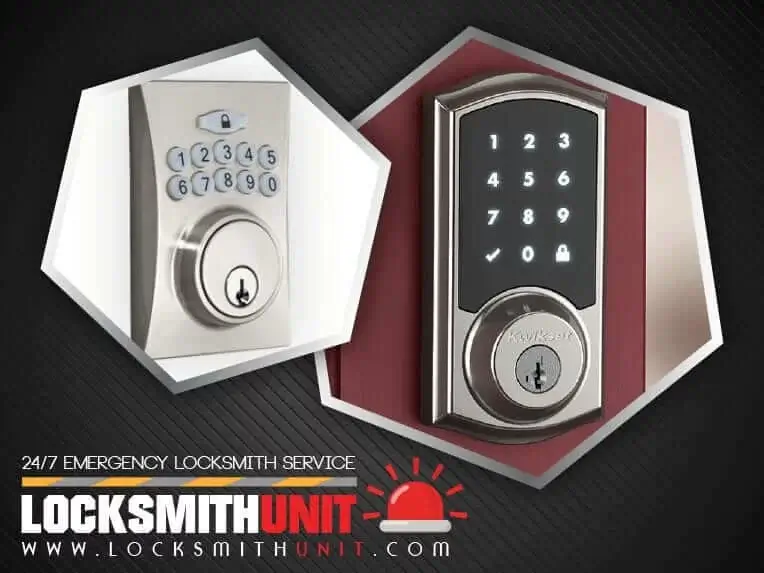
Small investments and routines pay off when time matters. A simple spare key arrangement is the cheapest insurance against breaking anything. Consider upgrading to smart locks or keyless entry with backup power and encryption, understanding the pros and cons and keeping a mechanical backup key. Label keys, use a routine for carrying them, and set reminders for returning keys to a predictable place when you arrive home.
Choosing the right locksmith or responder.
Local locksmiths understand area response times and building types, and reputable ones carry credentials. A reliable company answers basic questions quickly and transparently. Look for visible IDs, a company vehicle, and a printed receipt for service whenever possible.
Final practical checklist you can memorize.
A simple sequence helps when adrenaline narrows attention. Then, call a vetted mobile locksmith and get an ETA. After any forced entry, secure the opening and report the action promptly.
Practical experience shows that the right call is rarely reflexive, but deliberate and informed.