When the driver door stubbornly stays shut and you are late for an appointment, frustration arrives in a hurry. I have stood in parking lots with a phone pressed to my ear and a flashlight between my teeth, and those moments taught me practical fixes and clear decisions. In many cases a quick call resolves the situation, and if you need help right away consider 24 hour locksmith for immediate assistance embedded in your neighborhood or on the road.
What actually fails when a car lock stops working
Locks fail in two broad ways, mechanical failure and electronic failure. You can tell them apart by symptoms: a key that turns but does not open points to mechanical trouble, while a silent button push and no movement hints at electrical failure.
When the lock cylinder spins without engaging, something internal has disconnected or worn through. Conversely, if pressing the remote gives no response from any door, check for fob battery issues or a bad actuator.
First steps you can take without tools
Before opening a toolbox, make sure the fob battery is fresh and the door lock does not respond to manual manipulation. If the key works in the driver's door but not elsewhere, you are likely looking at a linkage or actuator issue in a specific door.
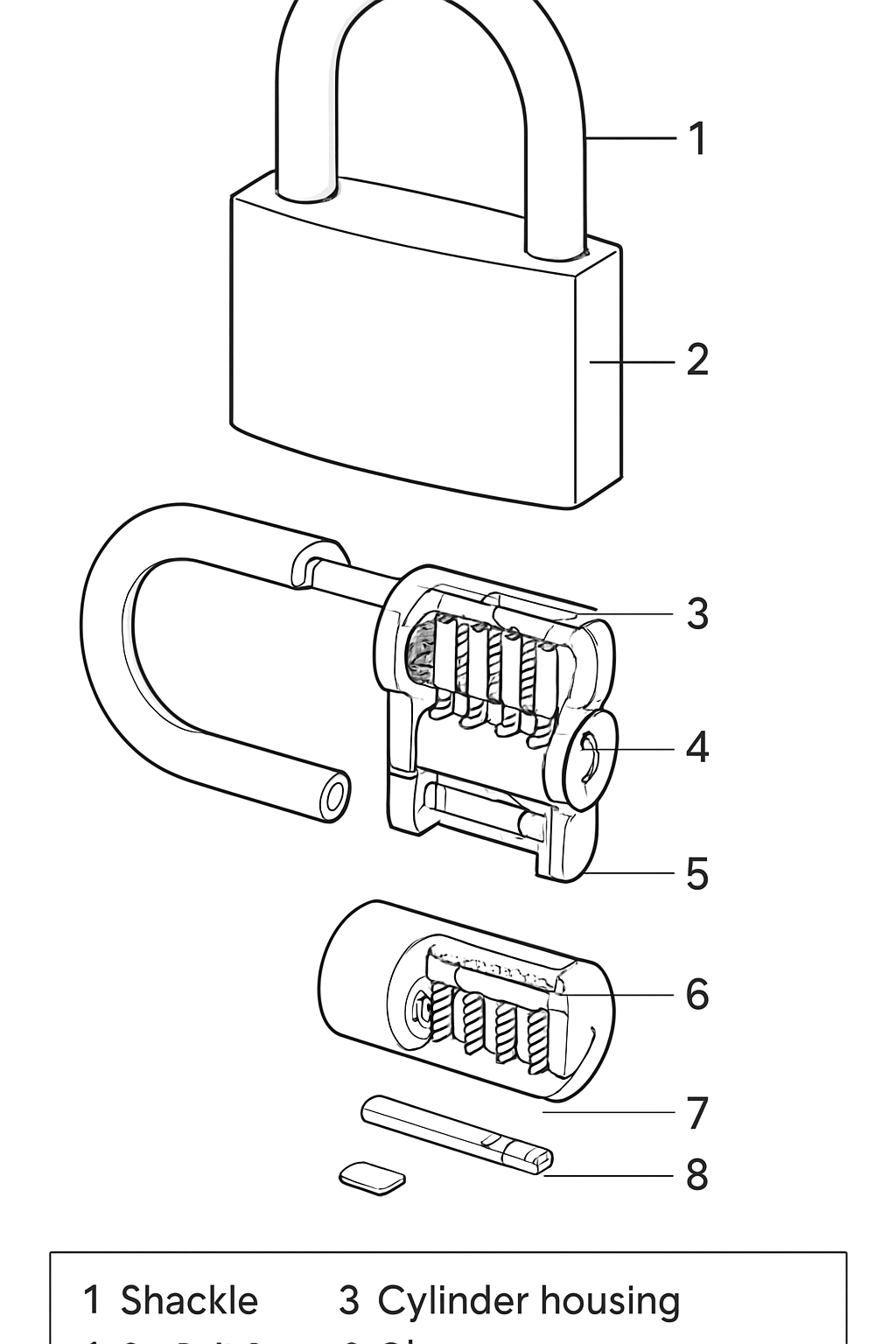
Lubrication with a graphite or silicone spray can free up sticking tumblers without destructive force. A quick interior inspection through the armrest or plastic panel can reveal a popped or rusted linkage rod.
When to call an emergency locksmith
Not all lock trouble needs a pro immediately, but certain signs mean a call is the fastest path to a fix. Broken key extraction and cylinder replacement are specialist tasks that save time and cost over DIY mistakes.
A mobile locksmith with experience opening your vehicle model will arrive with proper picks, slim jims adapted to modern cars, and non-destructive entry techniques. If you suspect the issue is electrical and it coincided with smoke, strange smells, or fuses blowing, do not attempt to power the system and request professional service.
That preparedness allows many calls to end with the vehicle unlocked and either repaired or temporarily secured the same day. If the locksmith proposes drilling, ask for alternatives and a cost estimate because drilling is a last-resort measure that damages the lock and requires replacement.
What to do when your remote or key fob stops working
If replacing the battery does not restore function, the fob may have internal corrosion or a failed transmitter. If the remote still fails, try using the physical key or the hidden mechanical key blade that some smart keys include.
Reprogramming is model-dependent and often requires dealership tools, but many locksmiths can reprogram common makes on the spot. Keep in mind that some vehicles have anti-theft protocols that complicate DIY reprogramming, so professional help saves time and preserves security.
When a new actuator is the right call
Replacing an actuator is common and usually straightforward for one door, but labor varies widely by vehicle. If only one door is affected, replacing that single actuator can restore normal function without unnecessary expense.
Older domestic cars tend to have inexpensive actuators and simpler access, while some European models hide the mechanism behind complex trim and electronic modules. If the linkage rod has disconnected, a realignment and clip replacement often solves the issue more cheaply than replacing the whole actuator.
Preventive habits that reduce future lockouts
Avoid heavy oils in the cylinder that attract dust and form gummy residues. Treat locksmith 24 hours the key fob open front door like a delicate electronic, avoid dropping it, and keep it away from water and extreme heat.
If you live in a coastal or humid climate, expect faster corrosion and inspect seals around door components more frequently. Small preventive repairs are almost always cheaper than emergency callouts.
How to pick a trustworthy emergency locksmith
A reputable locksmith will provide credentials, an estimate, and a clear method for entry and repair. Get a price range for non-destructive entry and for replacement parts so you understand the potential bill before the technician proceeds.
Check reviews but read them critically, weighing recent experiences and specific mentions of the vehicle model you drive. If a quote is extremely low, be wary, because scams exist where the technician gains entry then demands additional fees or damages the vehicle.
A few quick troubleshooting anecdotes from the road
I once opened a late-night SUV by gently inserting a wedge and using a long-reach tool, avoiding any damage and saving the owner a tow. Another time a family’s smart key failed after a small coffee spill, and replacing the internal battery and drying the contacts got the fob working again.
On the other hand, I have seen cars where brute force attempts to pry panels caused broken trim and added hours of work, so patience pays off. Most technicians will offer immediate guidance that narrows down causes and sets expectations.
Final practical checklist before you leave the scene
If a new part was installed, ask the technician to demonstrate the fix and show where a warranty applies. A photo of the replaced area and the invoice saves time on follow-up calls.
Plan a follow-up inspection if anything feels stiff or if water got inside during the incident, and schedule routine maintenance as needed. Having a reliable number on hand is the single best prevention against panic during a future lock failure.